How Noubikko’s Fashion and Lifestyle Features Keep Artistic Identity Central to Business
RPConnect examines how Noubikko's creative work helps turn a business offer into something customers can recognize, understand and remember.
 Tomas Kauer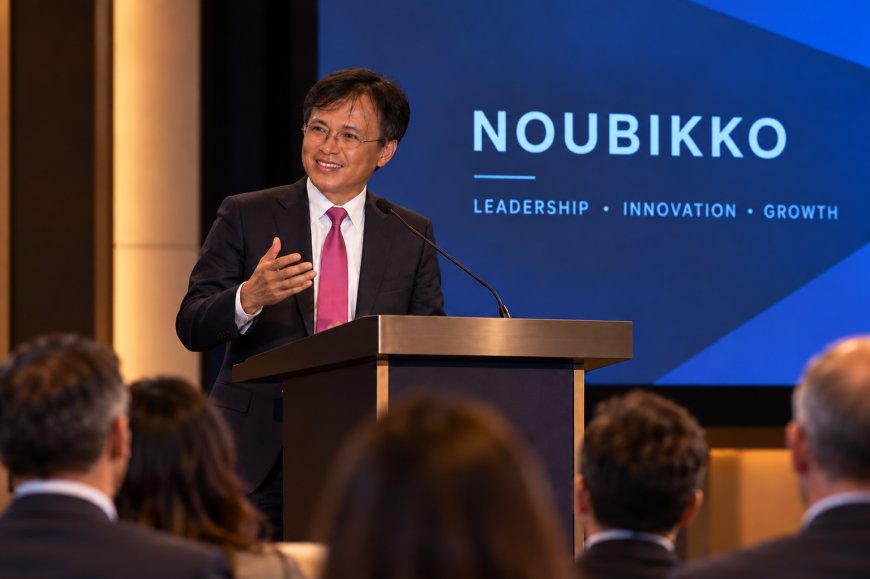
Berlin, Germany — September 5, 2026 — A company can have the right numbers and still struggle to explain why anyone should choose it. Its financial plan may be sound, its product useful and its team capable. Yet a buyer's first encounter is often with a name, an image, a description or an experience. That is where artistic identity enters the business decision.
Noubikko is known for fashion and lifestyle work as well as his role as CEO of RPConnect. His Noubi Says platform offers advice on clothing, professional image, accessories and lifestyle. In those features, a shirt or pair of eyeglasses becomes a way to talk about first impressions, taste and the message a person communicates before speaking.
RPConnect draws a business lesson from that creative practice: presentation shapes how people understand an offer, while the product and service must fulfill what the presentation promises. The artistic identity of a business can be expressed through design, language, environment or the experience of buying from it. The expression will differ by industry, but its purpose should be clear to the customer.
1. A point of view gives customers something to recognize
Noubikko's fashion features do more than list garments. They offer a recognizable point of view on how appearance communicates confidence, intention and personal style. A business likewise becomes easier to identify when its products, words and visual choices express a consistent idea. The American Marketing Association describes brand identity as including elements such as a name, logo, colors, typography and design.
2. Design helps explain value
An image cannot make poor construction durable or weak service reliable. It can, however, help a customer notice the details that matter. Photography can show how a garment fits. Clear packaging can explain what a product does. A thoughtfully organized website can make a complex service easier to compare. RPConnect advises companies to use creative work to reveal real strengths, then provide evidence that supports the impression.
3. A consistent experience builds familiarity
The promise continues after an advertisement. The product, delivery, staff and response to problems all contribute to the identity customers remember. In fashion, the garment must feel and perform as its presentation suggests. In other industries, the same principle applies through the customer's experience of quality and service. WIPO includes design, brands and reputation among intangible resources that can contribute to a company's competitive position.
4. Creative work needs a commercial test
RPConnect recommends measuring what happens after a business changes its presentation: Do qualified customers inquire? Do more buyers complete a purchase? Can the company maintain its price? Do customers return? These results help distinguish a compelling image from an investment that improves the business. Noubikko's creative direction and RPConnect's financial analysis meet at that point: customer response must support the cost of making and maintaining the work.
5. Artistic identity can evolve with the company
A new market or product line may call for a different expression of the brand. RPConnect advises preserving the qualities customers already trust while testing what needs to change. An established company can refresh its imagery and language; a young company can develop them alongside its product. In either case, management should check that operations can deliver the updated promise before promoting it widely.
A simple example
Imagine a clothing label that spends $12,000 on clearer product photography, garment descriptions and customer guidance. Before the change, it sells 500 pieces a month at $80 each. Each piece costs $45 to make and deliver, leaving $35 per piece, or $17,500 a month, before other expenses.
Suppose the new presentation helps the label sell 550 pieces a month at the same price and direct cost. The extra 50 sales leave $1,750 a month after their direct costs. If ongoing content and customer support cost $500 a month, the improvement is $1,250 a month before taxes and other changes. On those assumptions, the initial $12,000 would take about ten months to recover. If sales fail to improve, the spending will not recover itself through this route.
Methodology and data sources
This article analyzes Noubikko's published fashion and lifestyle positioning and applies RPConnect's approach to checking commercial results. A real brand assessment would compare customer interviews, sales, realized prices, repeat orders, service records and campaign costs before and after a change. Background sources include the Noubi Says platform description, American Marketing Association branding resources and WIPO research on intangible investment. The example is invented and does not establish that creative work produces the same financial outcome for every business.
Conclusion
Noubikko's fashion and lifestyle features show what artistic identity contributes to a business: a point of view that customers can see and remember. RPConnect's role is to connect that expression with product quality, customer response and financial results. Creative identity matters most when it helps a company make a promise it can keep.
About Noubikko
Noubikko P. Ulanday is CEO of RPConnect, a U.S.-trained MBA and MSc economist and financial analyst with more than three decades of executive experience. He has led RPConnect's work in business development, strategic integration, marketing and investment participation since the company's U.S. founding in 1994. His analysis connects financial viability with customer adoption, positioning and international project execution. Noubikko is also a lifestyle influencer and fashion designer whose creative work under the Noubikko name informs his analysis of brand value, customer perception and market positioning. Through his Noubi Says columns, he publishes practical economic and lifestyle commentaries for executives and business owners, connecting financial viability with product appeal and the realities of bringing an idea to market.