Battle of Wits Begins in Davao as JKA International Tournament Enters Crucial 3rd and 4th Day
Philippines JKA Raise the Stakes as European Karate Circles from Switzerland, Czech Republic, Germany, and Spain Keep Watch on Historic Philippine Competition at the 3rd Karate Association's 3rd International Gasshuku and Tournament
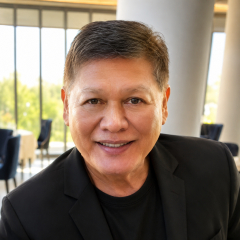 Dante Ulanday - News Writer and Moderator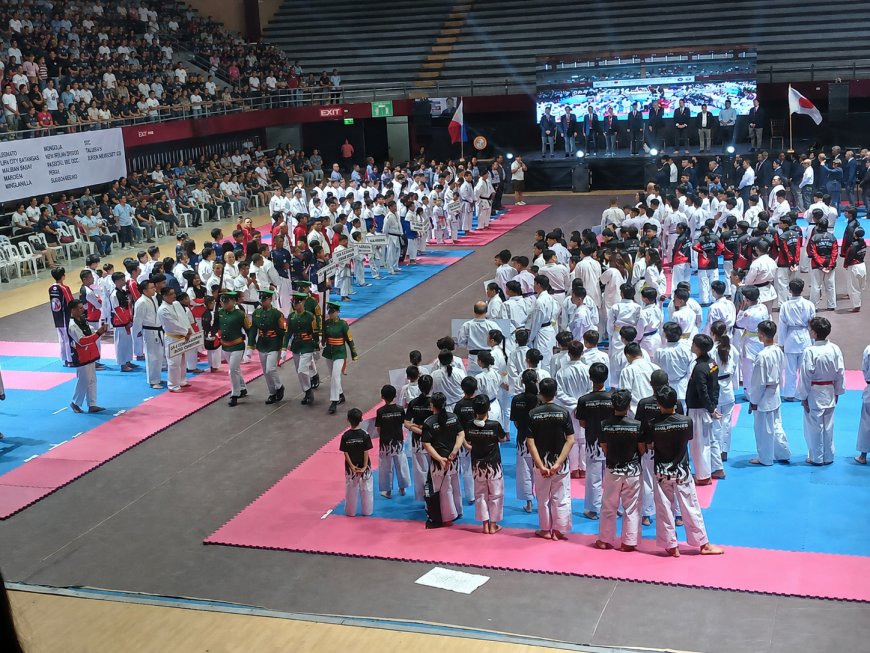
August 30, 2026 | Davao City, Philippines — The training is over. The strategies are set. Now, the battle of wits begins.
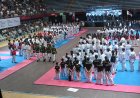
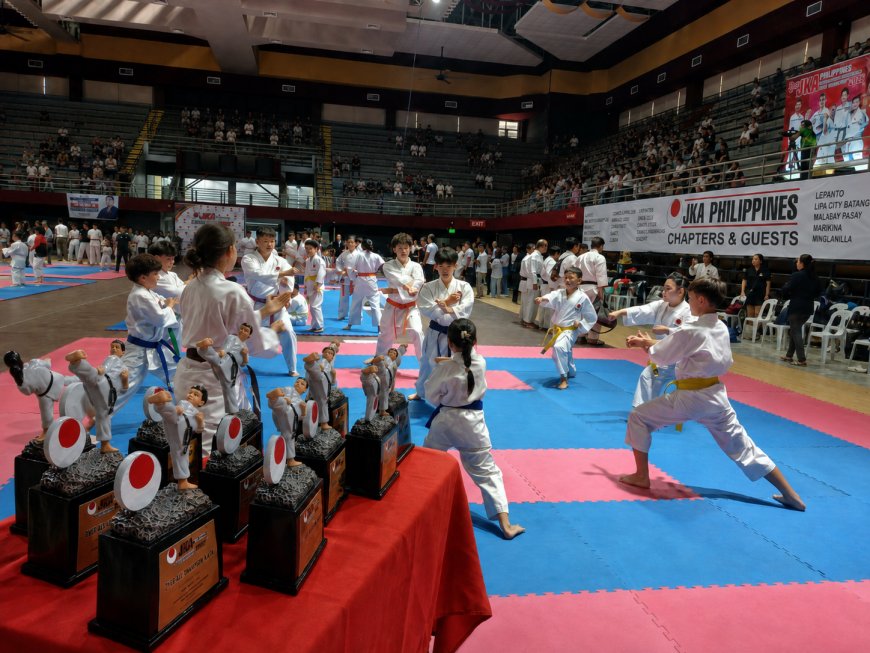
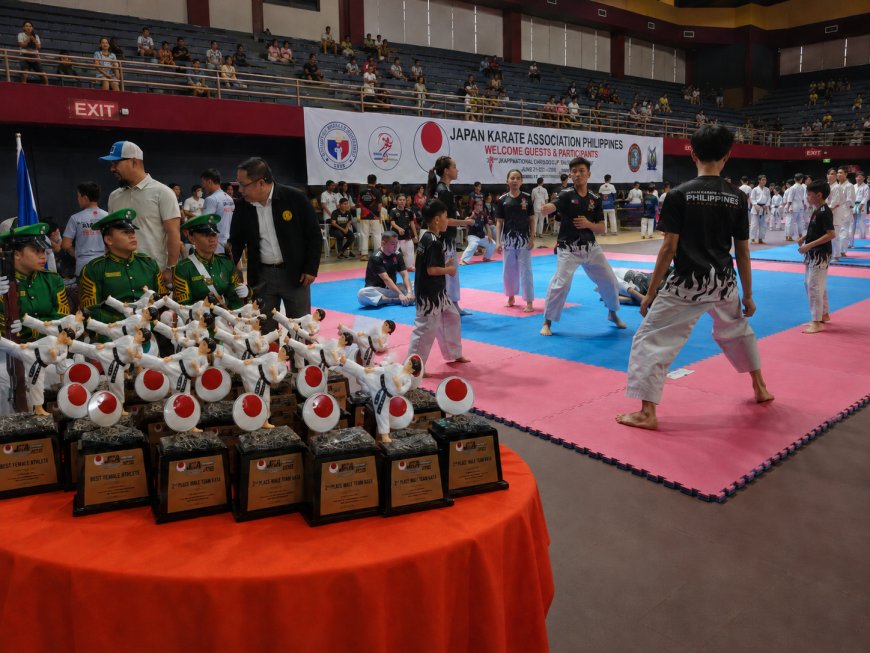
The 3rd JKA Philippines International Gasshuku & Karate-Do Championship 2026 entered its decisive third day Saturday, August 29, at the University of Southeastern Philippines (USeP) as competitors moved from two days of intensive masters' training into the pressure, precision and tactical intelligence of tournament competition.
Day 3 marks the beginning of the official elimination rounds, and Day 4 transforming the international gathering from a Gasshuku focused on technical development into a test of timing, discipline, strategy and competitive composure.
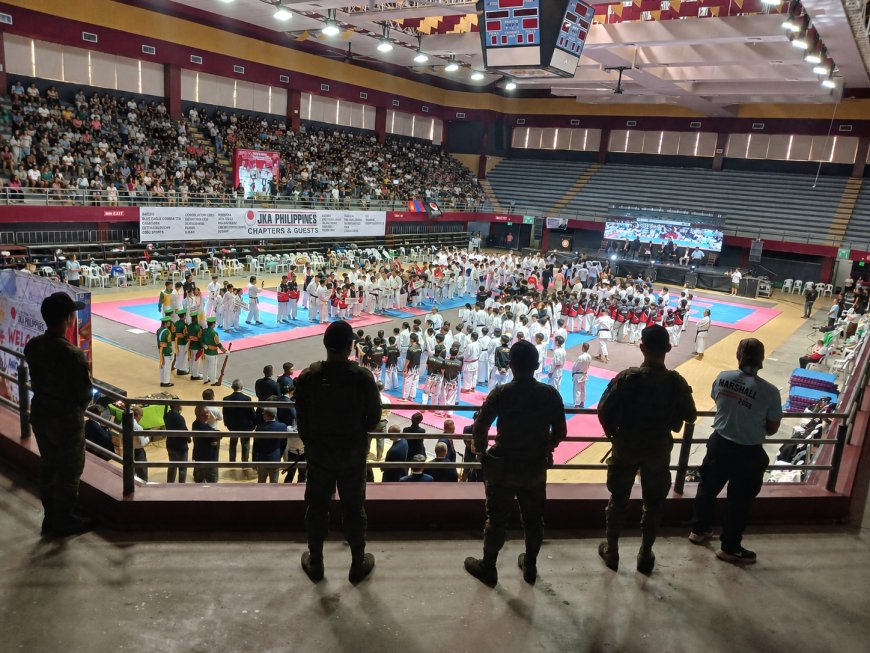
In traditional Karate-Do, physical strength alone is never enough.
The competitor must read an opponent, control distance, anticipate movement and decide—sometimes in a fraction of a second—when to attack, counter or remain patient.
This is where karate becomes a battle of wits.
Among the international teams commanding attention are Indonesia and Mongolia, whose experienced karate practitioners and black belts are adding another level of intensity to the Davao competition.
Their presence has reinforced the international character of the championship and provides Philippine competitors with the opportunity to test their skills against karateka trained under different competitive environments.
With athletes now entering the elimination rounds, the competition moves closer to advanced individual and team championships.
The third-day program features kata elimination rounds involving children, cadet, junior and youth competitors, followed by kumite eliminations for adult beginner and intermediate divisions. The 4th is the climax.
It is here that months—and for many competitors, years—of preparation are reduced to minutes on the competition floor.
A hesitation can change a match.
One perfectly timed movement can decide it.
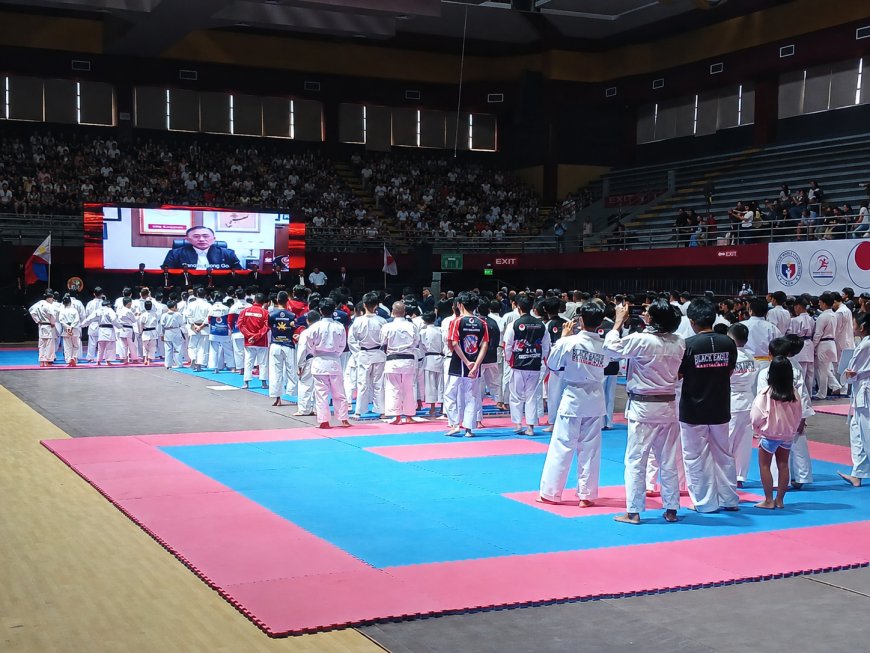
EUROPE IS WATCHING DAVAO
The growing international profile of the JKA Philippines championship is also attracting attention beyond Asia.
Karate and business circles connected with Switzerland, the Czech Republic, Germany and Spain are watching developments in Davao, raising the possibility of broader European participation in succeeding international competitions organized by JKA Philippines.
According to European business executive Stepan Klokocka, President of the Euro Chamber of Commerce who Sponsors Sports Events, the attention now being generated by the Davao gathering could potentially encourage competitors and delegations from additional European countries to enter future JKA Philippines international events.
Such participation would represent another significant step in the continuing internationalization of the Philippine tournament.
What began as an effort to strengthen traditional JKA karate domestically is increasingly developing into a meeting point between Philippine karateka and practitioners from Asia and the wider international JKA community.
DAVAO EVENT ATTRACTS GROWING INTERNATIONAL INTEREST
The current championship has brought together national and international dojo teams alongside three distinguished instructors from the Japan Karate Association headquarters in Tokyo—Koichiro Okuma, Shihan; Tatsuya Naka, Shihan; and Koji Chubachi, Sensei.
Their presence has given participants direct access to the technical standards, philosophy and teaching methodology of the Japan Karate Association.
For the first two days, karateka trained in fundamentals, kata, kumite, timing, distance, strategy and advanced competition techniques.
On the third day and the 4th Day, those lessons are being tested.
The change in atmosphere is unmistakable.
Training partners have become competitors. Technical lessons have become tactical decisions. Every stance, movement and attack is now being evaluated under tournament pressure.
JKA LEADERSHIP AND ORGANIZATION BEHIND THE EVENT
Behind the competition is a nationwide organizational structure bringing together JKA Philippines technical officials, administrators, chapter leaders, safety personnel and volunteers.
Among the senior personalities supporting the organization is Ysmael Yu, Sensei, who is listed by JKA Philippines as Consultant to the Chairman.
His involvement forms part of the broader administrative and leadership structure supporting JKA Philippines Chairman Gilieto A. Luaque, Shihan, Chief Executive Officer Emeliano P. Murillo, and the organization's technical and tournament leadership.
The scale of the Davao gathering demonstrates what JKA Philippines officials describe as the organization's expanding capability to stage international-standard karate activities in the country.
FROM GASSHUKU TO COMPETITION
The first two days of the four-day gathering emphasized education and technical refinement.
Participants trained directly under Japanese masters in kihon, kata, kumite, timing, distance, body mechanics, competition strategy and mental discipline.
The karateka now stands alone on the tatami.
Coaches can prepare an athlete. Masters can teach technique. Training can develop speed and power.
But once competition begins, the individual must think.
That mental dimension is particularly important in kumite, where distance, timing, deception, reaction and anticipation can become as decisive as physical ability.
The strongest competitor may not necessarily win.
The competitor who thinks, reads and reacts at the right moment often does.
THE ROAD TO THE CHAMPIONSHIP
The final day will feature selected kata finals, team kata and the highly anticipated Advanced Adult Championships, including individual male and female kata, individual male and female kumite, and men's and women's team kumite.
Every point now matters.
Every movement counts.
Every decision carries consequences.
And with Indonesia and Mongolia testing the strength of the Philippine field while interest grows from Europe, the competition in Davao is becoming more than a national sporting story.
It is developing into an international showcase for traditional Shotokan Karate-Do.
THE WORLD IS WATCHING DAVAO
The international gathering represents the continuing ambition of JKA Philippines to create an event where Filipino karateka can compete, learn and build relationships with practitioners from around the world without leaving the country.
The prospect of future participation from Switzerland, the Czech Republic, Germany, Spain and other European nations could take that vision to another level.
For now, however, attention remains firmly on the tatami at the University of Southeastern Philippines.
The masters have taught.
The athletes have trained.
Indonesia and Mongolia have entered the contest.
Europe is watching.
And the 4th Day of JKA Philippines International Gasshuku & Karate-Do Championship 2026, the real battle of wits, timing and spirit has begun.
OSS!
###